Your Guide to Saying “I Do” in the Rockies
Planning a destination wedding in Colorado is a dream for adventurous couples, mountain lovers, and anyone craving a wedding day that feels like an experience, not just an event. Between the alpine lakes, golden aspen groves, and snow-capped peaks, Colorado has become one of the most sought-after spots for elopements and intimate destination weddings.
If you’re planning a wedding in the Rockies but don’t live here, this guide will walk you through everything you need to know—from permits and weather to choosing the perfect location for your Colorado elopement or destination celebration.
1. Choose the Right Location in the Rockies
Colorado offers endless stunning backdrops, but each area brings its own vibe, accessibility, and rules.
Popular Colorado destination wedding + elopement locations:
Rocky Mountain National Park (Estes Park): Iconic peaks, easy access, permit required.
Breckenridge: Charming mountain town, great for winter weddings.
Vail & Beaver Creek: Luxury resorts, high-end venues, incredible fall colors.
Telluride: Remote, breathtaking, perfect for couples wanting a once-in-a-lifetime backdrop.
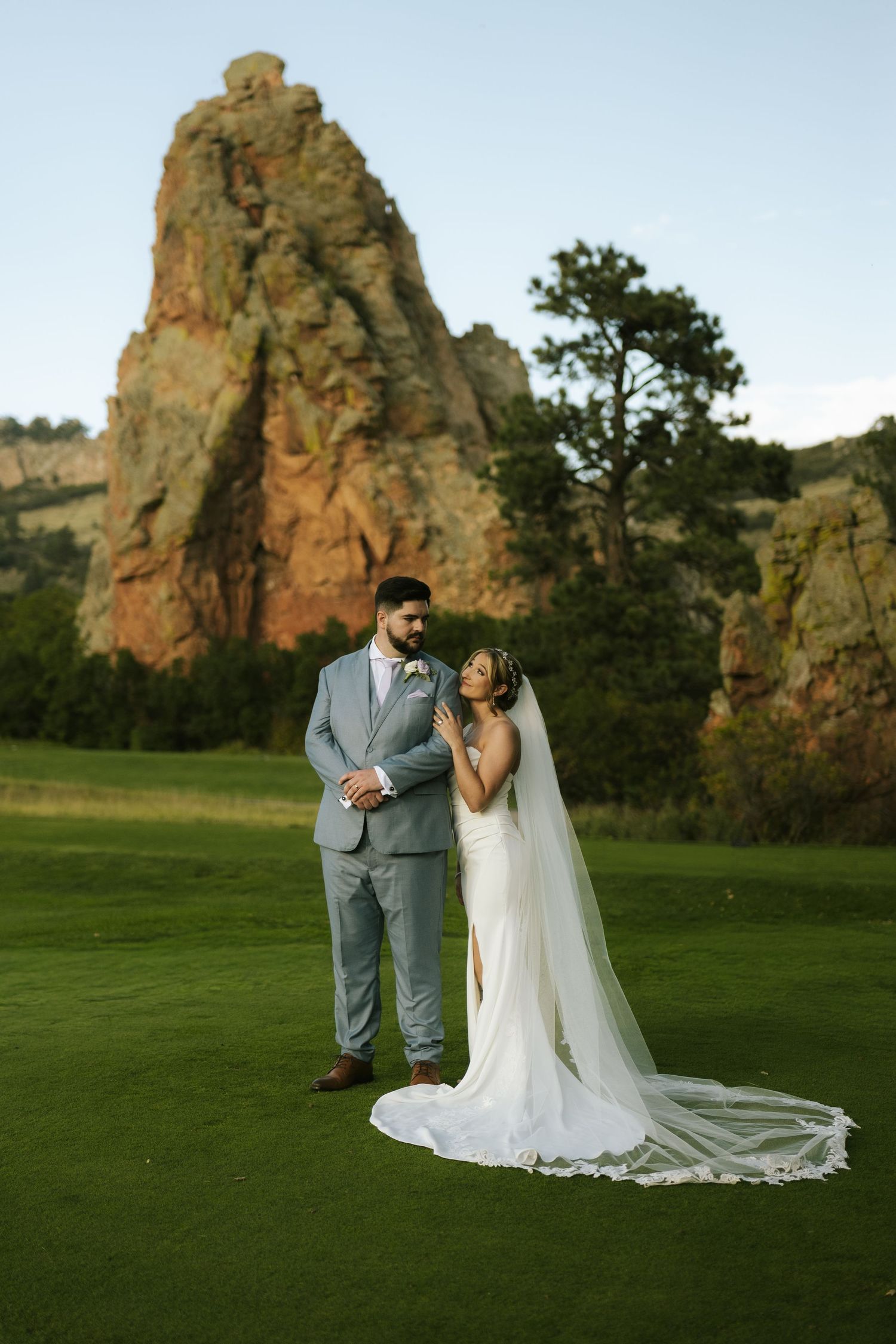
Garden of the Gods (Colorado Springs): Free to use, dramatic red rock formations.
Great Sand Dunes National Park: Unique, adventurous, and surreal at sunset.
When planning your Colorado destination wedding, consider how far your guests will need to travel, whether 4WD is required, and what time of year best fits the scenery you want.
2. Understand Colorado Weather (It’s Wild!)
Colorado weather is gorgeous—but unpredictable. A single day can give you sunshine, rain, and snow!
Here’s what out-of-state couples should know:
Summer: Perfect for alpine lakes and wildflowers. Afternoon storms are common, so plan morning ceremonies.
Fall: Golden aspens and crisp air. One of the most popular seasons.
Winter: Magical snow, but prepare for potential road closures.
Spring: Beautiful but muddy—many mountain passes still closed.
Always have a backup plan and pack layers, even in July.
3. Secure Required Permits
If you're planning a Colorado elopement or intimate wedding in public lands, permits are often required.
For example:
Rocky Mountain National Park: Requires a wedding permit with designated ceremony spots.
National Forest land: Some areas need special use permits depending on group size.
State parks: Usually require a simple event permit.
Apply early—some permits book out months in advance, especially during fall.
4. Work With Local Vendors
Hiring Colorado-based vendors is one of the best things you can do.
Why?
They know weather patterns, road conditions, and backup locations.
They understand elevation challenges.
They’ve worked at dozens of mountain locations and can guide you through logistics.
Photographers, planners, florists, and hair & makeup artists who work in the Rockies regularly will make your Colorado destination wedding feel seamless.
5. Consider the Impact of Altitude
Colorado weddings happen anywhere from 5,000 to 14,000 feet above sea level.
Out-of-state couples should prepare for:
Shortness of breath
Fatigue
Dehydration
Altitude sickness
Tips for guests:
Arrive 1–2 days early
Drink lots of water
Limit alcohol the first day
Bring sunscreen—the sun is stronger at altitude
6. Time Your Ceremony With the Light
Lighting in the mountains shifts quickly, and the timing for photos is different than flatland areas.
For the best experience:
Plan sunrise or sunset ceremonies
Avoid midday when the sun is harsh
Ask your photographer for the best timing for the location
The right timing transforms your photos and helps avoid crowds.
7. Choose the Best Season for You
Colorado looks different every season, and that makes your wedding feel uniquely yours.
Best seasons for a Colorado destination wedding:
Summer: Blue skies, warm temps, wildflowers
Fall: Iconic golden aspens (late September–early October)
Winter: Cozy cabins + snowy peaks
Spring: Quiet, budget-friendly, great for chic city-to-mountain weddings
Your vision will determine the ideal date.
8. Plan Logistically for a Smooth Day
Destination weddings in the Rockies run smoother when you plan with the environment in mind.
A few tips:
Build extra travel time—mountain traffic can be slow.
Keep snacks and water on hand.
Make sure elderly guests can access your ceremony spot.
Consider renting a 4x4 if you’re heading into rugged areas.
The more prepared you are, the more you can relax and enjoy your day.
9. Make It an Experience for Your Guests
If you’re bringing friends and family to Colorado, make it memorable!
Ideas:
Welcome bags with sunscreen, waters, and local snacks
Group hikes
Ski or snowboard day
Scenic gondola rides
Brewery or distillery tours
Colorado makes it easy to turn a wedding weekend into a celebration of adventure.
10. Hire a Photographer Who Knows Colorado
Your photographer can be one of your biggest resources.
A Colorado-based photographer can:
Help you choose locations
Recommend the best ceremony times
Navigate weather and lighting
Scout hidden spots
Back you up with rain/snow plans
If you’re dreaming of a Colorado elopement or destination wedding, choose someone who can guide you through the entire experience—not just take photos.
Final Thoughts
Planning a destination wedding in Colorado is one of the most exciting and rewarding experiences for engaged couples. With the right location, vendors, and preparation, your wedding day can feel effortless, magical, and deeply meaningful—surrounded by the wild beauty of the Rockies.
If you're ready to start planning your Colorado wedding or want help choosing locations, reach out—I’d love to help you craft a day that feels like you.